Get Energy Audit Service
Energy audit services help property owners identify energy inefficiencies and recommend improvements for projects like insulation, HVAC, lighting, and overall energy use.
Property owners seeking to improve energy efficiency often explore options like conducting an energy audit. This process provides valuable insights into how energy is used within a building, highlighting areas where savings can be made and systems optimized. Whether planning a renovation, upgrading insulation, or simply aiming to reduce ongoing energy costs, understanding the current performance of a property is a practical first step. Local contractors experienced in energy audits can help identify opportunities and guide informed decisions, making it easier to plan future projects with confidence.
Comparing local service providers ensures property owners have access to knowledgeable professionals who understand the specific characteristics of the area. Engaging with experienced energy audit specialists can lead to more effective improvements and long-term benefits. By exploring the options available, property owners can find trusted local contractors equipped to handle the work, ensuring the project aligns with their goals and needs. Keep reading to learn more about how energy audits can support your property’s efficiency and how to connect with qualified local providers.
- Residential Energy Audits - homeowners seeking to identify ways to improve home energy efficiency and reduce utility bills.
- Commercial Energy Assessments - business owners looking to optimize energy use and lower operational costs.
- Industrial Energy Evaluations - factories and manufacturing facilities aiming to enhance energy performance and comply with regulations.
- Building Envelope Inspections - property managers needing to detect leaks or insulation issues affecting energy conservation.
- Post-Upgrade Energy Checks - property owners wanting to verify the effectiveness of recent energy efficiency improvements.
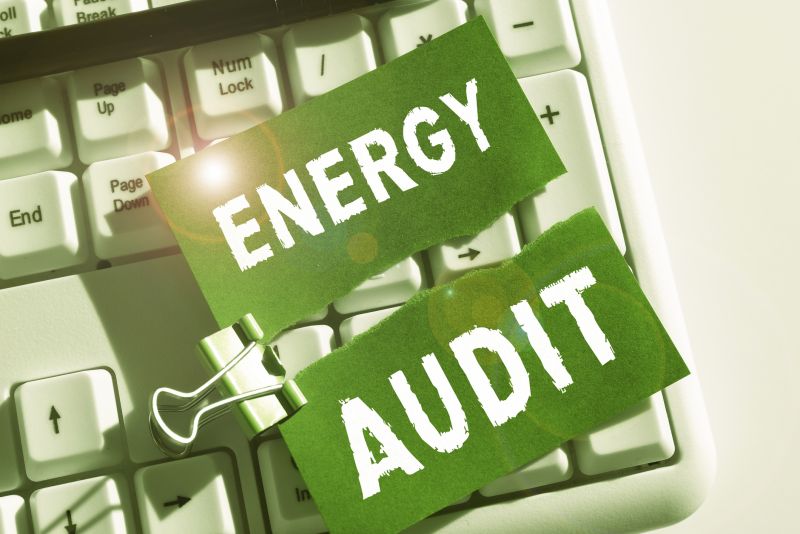
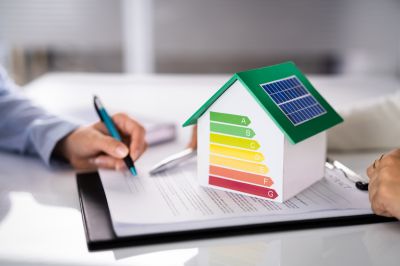
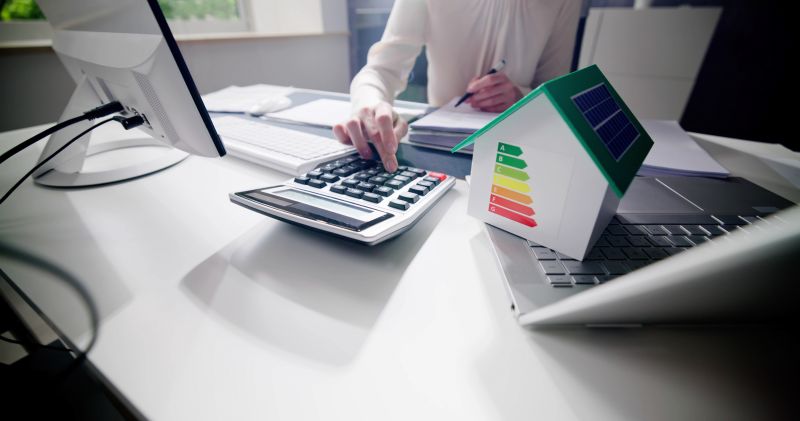
Energy audit services involve a comprehensive assessment of a property's energy use and efficiency. A professional will evaluate various aspects of a home or building, including insulation, heating and cooling systems, windows, doors, and lighting. The goal is to identify areas where energy is being wasted and to determine opportunities for improving overall efficiency. This process often includes detailed inspections and measurements to provide a clear picture of how energy is consumed and where improvements can be made.
These services help address common problems such as high energy bills, uneven indoor temperatures, drafts, and inadequate insulation. By pinpointing specific issues, energy audits can guide property owners on effective solutions to reduce energy consumption and lower costs. For homeowners dealing with persistent heating or cooling issues, or those interested in making their property more comfortable and efficient, an energy audit offers valuable insights that can inform upgrades and improvements.
Typically, energy audit services are used for a variety of property types, including single-family homes, multi-family residences, and small commercial buildings. Residential properties are often the primary clients, especially those experiencing rising utility costs or uncomfortable indoor conditions. Commercial properties, such as small offices or retail spaces, also benefit from energy audits to improve operational efficiency and reduce ongoing expenses. Regardless of the property type, local contractors can tailor recommendations to fit specific needs and budgets.
Homeowners who are considering renovations, upgrading insulation, or replacing aging heating and cooling systems may find an energy audit particularly helpful. It provides a detailed understanding of current energy performance and highlights the most effective areas for improvement. By working with experienced local service providers, property owners can access expert advice and solutions designed to enhance comfort, reduce waste, and optimize energy use. This service is a practical step for anyone looking to make informed decisions about their property's energy efficiency.
The overview below groups typical Energy Audit Service projects into broad ranges so you can see how smaller, mid-sized, and larger jobs often compare in your area.
In many markets, a large share of routine jobs stays in the lower and middle ranges, while only a smaller percentage of projects moves into the highest bands when the work is more complex or site conditions are harder than average.
Smaller Repairs - Basic energy audits for minor issues typically cost between $250 and $600. Many routine inspections fall within this range, depending on the size of the property and complexity of the systems involved.
Standard Audits - More comprehensive assessments usually range from $600 to $1,200. These are common for most residential properties and cover detailed evaluations of energy use and efficiency improvements.
Large or Complex Projects - Larger, more complex energy audits can reach $1,500 to $3,000 or more. Fewer projects fall into this tier, often involving extensive testing or commercial properties requiring in-depth analysis.
Full System Reassessment - Full-scale audits or projects involving multiple systems may cost $3,000 to $5,000+ depending on scope. These are typically reserved for extensive upgrades or large commercial buildings handled by local contractors.
Actual totals will depend on details like access to the work area, the scope of the project, and the materials selected, so use these as general starting points rather than exact figures.
Building Envelope Inspections - professionals assess the structural components of buildings to identify areas of energy loss, similar to energy audits that evaluate overall efficiency.
HVAC System Evaluations - local contractors analyze heating, ventilation, and air conditioning systems to optimize performance, aligning with energy audit practices.
Indoor Air Quality Testing - service providers evaluate indoor air conditions, often using similar diagnostic tools as energy audits to improve comfort and efficiency.
Lighting Efficiency Assessments - experts examine lighting systems for energy consumption, paralleling energy audits focused on reducing overall energy use.
Renewable Energy System Consultations - specialists advise on solar or other renewable installations, requiring planning skills akin to those used in energy audits.
Thermal Imaging Services - technicians use infrared cameras to detect heat leaks and insulation issues, a technique commonly employed in energy audits to identify inefficiencies.
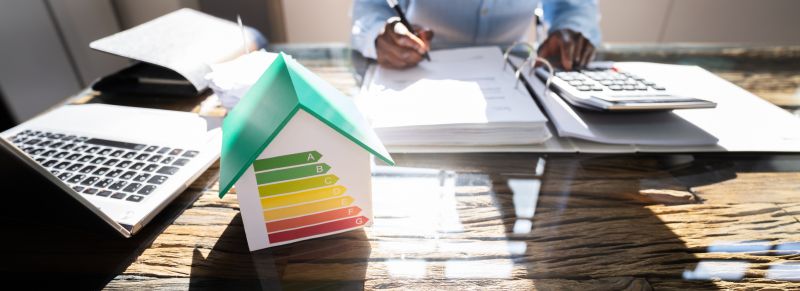
When comparing service providers for an energy audit, it’s important to consider their experience with similar projects. Homeowners should look for local contractors who have a track record of performing energy assessments in homes comparable to their own. An experienced professional understands the unique challenges and typical issues that may arise in different types of residences, which can lead to more thorough evaluations and effective recommendations. Asking about the types of properties they’ve worked on can help gauge whether a contractor has the relevant background to handle the specific needs of the home.
Clear, written expectations are a key factor when choosing a service provider. Homeowners should seek out contractors who provide detailed descriptions of their process, what the energy audit includes, and what the homeowner can expect at each stage. Transparent communication about scope and deliverables helps ensure there are no surprises and that both parties are aligned on the goals of the assessment. Reputable local pros will typically be willing to share this information upfront, making it easier to compare options objectively.
Reputation and communication are also crucial in selecting a suitable energy audit provider. Reputable local contractors often have references or testimonials available that demonstrate their reliability and quality of work. Good communication-whether through prompt responses or clear explanations-can make the entire process smoother and more productive. While the site introduces homeowners to local options, it’s important to remember that the actual work is performed by these independent service providers. Doing some research into their experience, expectations, and reputation can help homeowners find a professional who will deliver a thorough and trustworthy energy assessment.
Property owners use Energy Audit Service services for practical projects around their homes and businesses. This guide focuses on everyday jobs and straightforward project options.
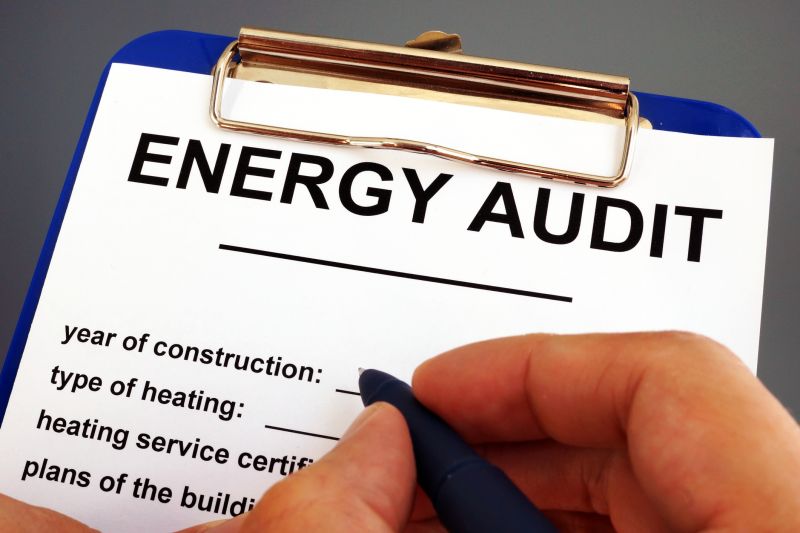
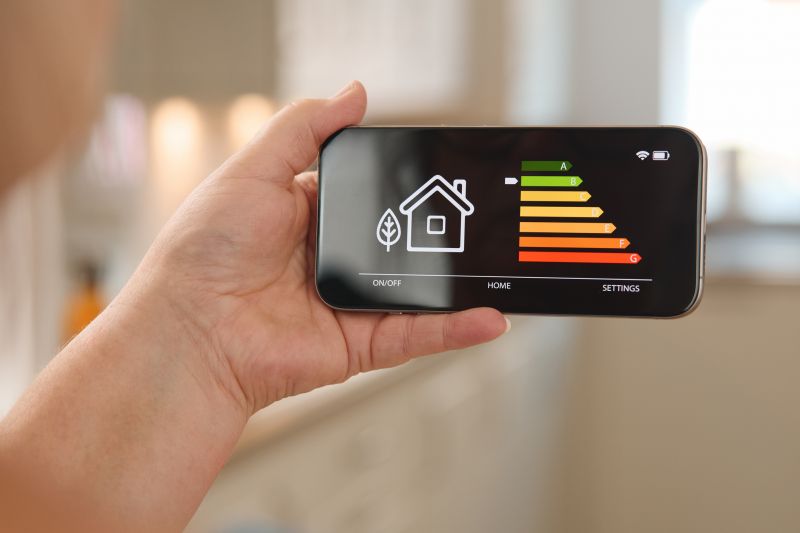
Energy audit services are often sought by property owners who notice higher-than-usual energy bills or experience uneven heating and cooling throughout their homes. These everyday issues can indicate inefficiencies in insulation, ductwork, or HVAC systems that might be overlooked without a professional assessment. Local contractors specializing in energy audits can identify areas where energy is being wasted, helping property owners make informed decisions to improve comfort and reduce unnecessary expenses.
Additionally, many property owners consider an energy audit when planning renovations or upgrades to their homes. Whether installing new windows, upgrading insulation, or replacing aging heating and cooling systems, a professional evaluation can provide valuable insights into the most effective improvements. Local service providers can offer tailored recommendations to enhance energy efficiency, supporting property owners in making cost-effective choices for their ongoing maintenance and improvement projects.
What is an energy audit? An energy audit is a process where local contractors evaluate a property’s energy use to identify areas for improvement and potential savings.
How can an energy audit benefit my home or business? An energy audit helps pinpoint efficiency opportunities, which can lead to lower energy bills and improved comfort through targeted upgrades.
What types of issues does an energy audit typically uncover? Common findings include air leaks, insulation gaps, inefficient heating or cooling systems, and outdated appliances that waste energy.
Who performs energy audits? Qualified local service providers or contractors conduct energy audits, utilizing specialized tools to assess energy performance.
How do I find a qualified professional for an energy audit? A lead generation platform can connect you with local contractors experienced in performing energy assessments for homes and businesses.
Identify energy inefficiencies - An energy audit helps property owners pinpoint areas where energy is wasted, such as poor insulation or outdated systems.
Improve comfort and indoor climate - Using an energy audit, owners can discover ways to enhance indoor comfort by reducing drafts and maintaining consistent temperatures.
Enhance utility management - An energy audit provides insights into how energy is used, allowing owners to optimize usage and improve overall utility management.
Plan upgrades and renovations - Property owners can use audit results to plan targeted improvements like insulation upgrades or system replacements, handled by local contractors.
If you are thinking about Energy Audit Service for a property, this guide is meant to help you understand the work, the typical project types, and how different options might fit your plans.
When you are ready, you can use the quote form on this page to share a few details about your project. From there, local pros can review the basics and respond with options that match what you have in mind.